
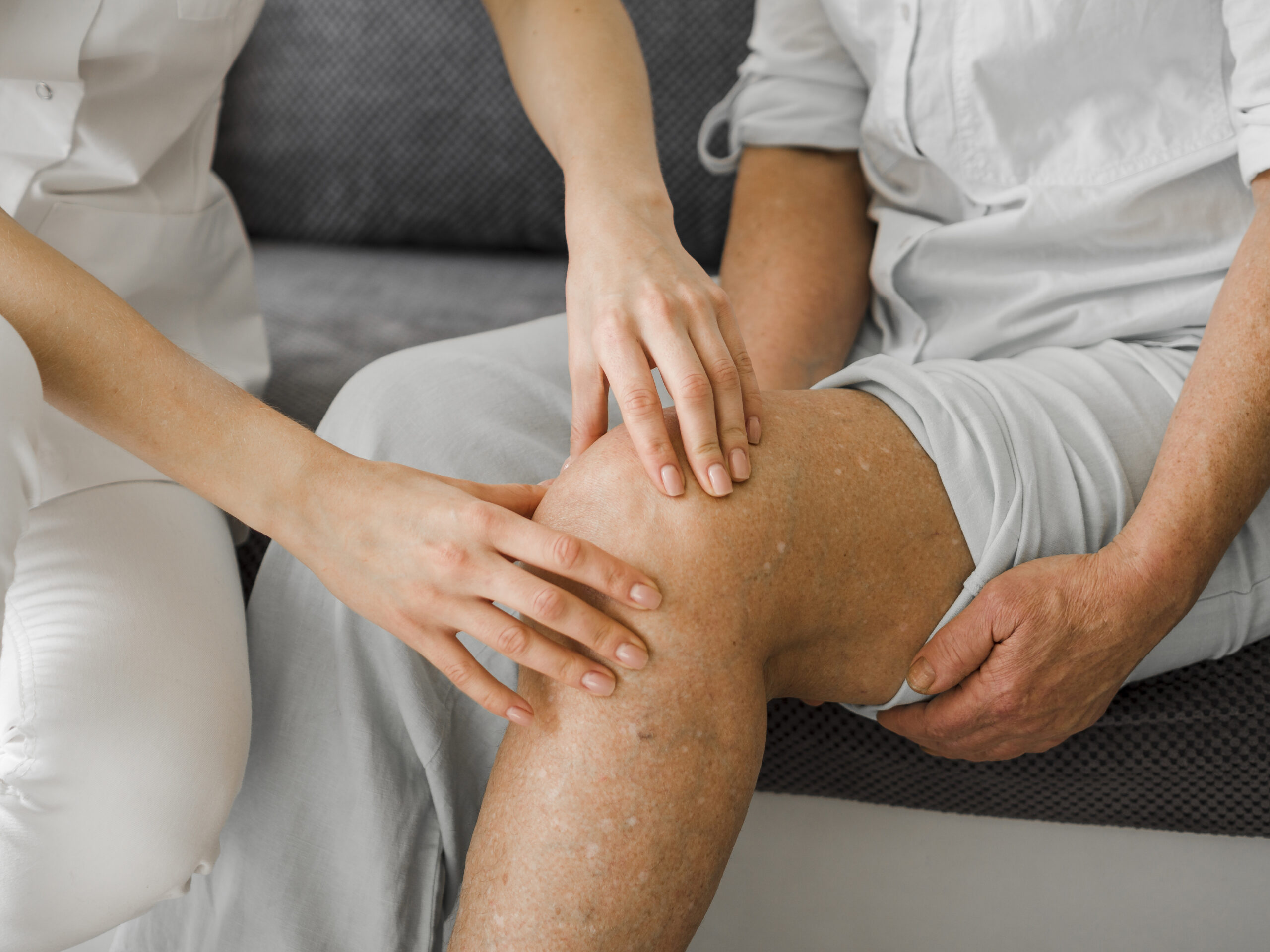
Introduction: Understanding Joint Pain, Arthritis, and Ayurveda
Many people experience joint pain and arthritis as they age. Joint pain can affect your knees, hands, or other joints. Arthritis is a condition that causes swelling and stiffness in the joints. It can make daily tasks difficult. The Ayurvedic approach to joint pain and arthritis offers natural ways to manage these problems. Ayurveda is an ancient Indian system of medicine. It uses herbs, diet, and lifestyle changes to support health. In this blog, you will learn about Ayurvedic treatment for joint pain and natural remedies for arthritis.
Common Symptoms of Joint Pain and Arthritis
Joint pain and arthritis can show up in many ways. Early signs are often mild, but they can get worse over time. For example, you may notice:
Sometimes, these symptoms can come and go. However, if they last for weeks, it is important to seek help.
Ayurvedic Perspective: Causes and Underlying Imbalances
According to Ayurveda, joint pain and arthritis are caused by imbalances in the body. Ayurveda explains that three energies, called doshas, control health. These are Vata, Pitta, and Kapha. When these doshas are out of balance, problems like joint pain can occur. For instance, Vata imbalance often leads to dryness and pain in the joints. On the other hand, Kapha imbalance can cause swelling and stiffness. Ayurveda for arthritis relief focuses on restoring balance to these doshas.
Ayurvedic Diagnosis Methods
Ayurvedic doctors use several methods to find the root cause of joint pain. First, they ask about your symptoms and daily habits. Next, they check your pulse, tongue, and eyes. They may also look at your skin and nails. In addition, they ask about your diet and lifestyle. This helps them understand which dosha is out of balance. As a result, they can suggest the best Ayurvedic treatment for joint pain.
Ayurvedic Treatments for Joint Pain and Arthritis
Ayurveda offers many natural remedies for arthritis. Treatments aim to reduce pain, swelling, and stiffness. Some common Ayurvedic treatments include:
These treatments are safe when done under the care of a trained Ayurvedic specialist. According to research published in peer-reviewed journals, some Ayurvedic herbs may help reduce arthritis symptoms. However, more studies are needed to confirm these benefits (source: PubMed).
Home Remedies and Self-Care Tips
Along with Ayurvedic treatment for joint pain, you can try simple home remedies. For example:
These steps can help ease pain and improve movement. But, always talk to your doctor before starting new remedies.
Prevention Strategies in Ayurveda
Ayurveda teaches that prevention is better than cure. To prevent joint pain and arthritis, you can:
By following these tips, you may lower your risk of joint problems.
When to Consult an Ayurvedic Specialist
Sometimes, home care is not enough. If your joint pain is severe, lasts more than a few weeks, or affects your daily life, you should see a doctor. In addition, if you notice swelling, redness, or fever, seek help right away. An Ayurvedic specialist can create a plan just for you. They will consider your body type, symptoms, and lifestyle. This way, you get the best care for your needs.
Consult a qualified Ayurvedic specialist Mrs V Saroj for personalized advice on joint pain and arthritis management.